How Do Seniors Sell a Home After 25 or 30 years?
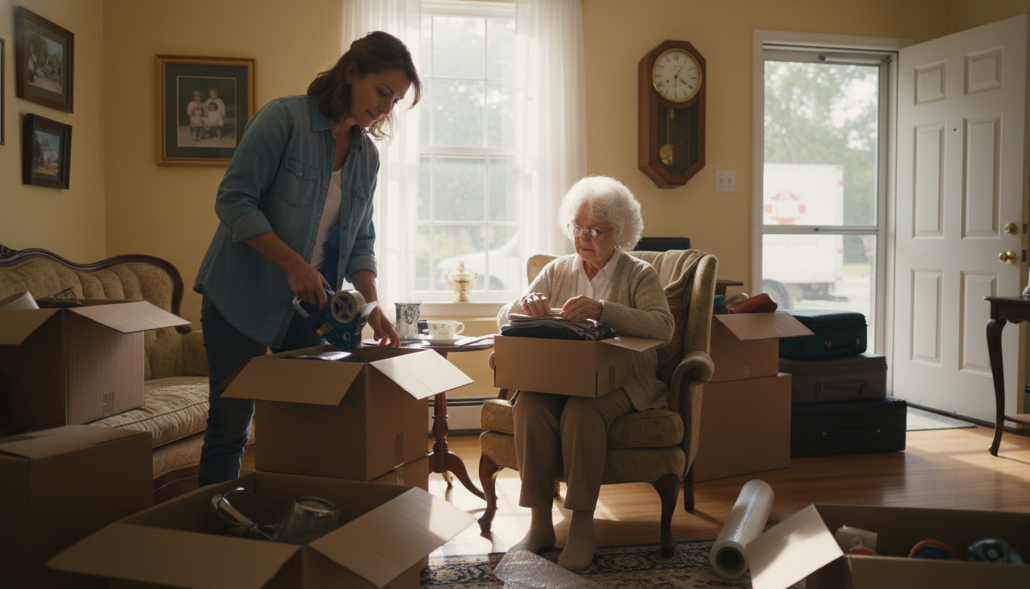
Selling a home you’ve lived in for 25, 30, or even 40 years is unlike any other real estate transaction. This isn’t just about square footage, market values, or closing dates. It’s about leaving the place where you raised your children, celebrated countless holidays, weathered life’s challenges, and built a lifetime of memories. Every room holds a story. Every corner reminds you of a moment. And the thought of walking away from all of that can feel overwhelming, heartbreaking, and impossibly difficult.
If you’re a senior facing the decision to sell your long-time home in Vaughan or York Region, please know that what you’re feeling is completely normal. The grief, the uncertainty, the resistance, the fear of change. All of it makes sense. This transition isn’t easy, and anyone who tells you it should be is missing the profound emotional weight of what you’re carrying.
After working with countless seniors throughout Vaughan, Woodbridge, Maple, and the surrounding areas, I’ve learned that selling a home after decades isn’t just a real estate process. It’s a life transition that requires patience, compassion, and specialized support. Here’s what you need to know about how to navigate this journey with care and clarity.
The Emotional Reality of Leaving a Lifetime Home
Before we talk about logistics, market preparation, or real estate agents, we need to acknowledge the emotional reality of what you’re facing. This home isn’t just a building. It’s where you brought your babies home from the hospital. Where you helped with homework at the kitchen table. Where you celebrated birthdays, graduations, weddings, and anniversaries. Where you mourned losses and found comfort in familiar surroundings.
The walls hold your children’s growth chart marks. The backyard remembers summer barbecues and playing with grandchildren. The driveway saw first cars and driving lessons. Every inch of this home is woven into the fabric of your family’s story.
Leaving that behind isn’t simple, even when you logically understand that downsizing is the right choice. Even when the stairs are getting harder to manage, the maintenance is too much, or the house feels too large and empty now. Your heart doesn’t care about logic. It cares about memory, connection, and loss.
Many seniors I work with in Vaughan feel guilty for being sad about selling. They worry they’re being foolish or sentimental. But there is nothing foolish about grieving the end of a chapter. This sadness is a testament to how deeply you loved this home and the life you built within it. Honor that feeling. Don’t rush past it.
The Practical Challenges After Decades in One Home
Beyond the emotional difficulty, there are practical challenges that come with selling a home you’ve owned for 25 or 30 years. The real estate market has changed dramatically since you last bought or sold. Technology, processes, expectations, and even the language of real estate are different now.
The Market Has Changed: If you bought your Vaughan home in the 1980s or 1990s, you navigated a completely different market. Today’s process involves online listings, professional photography, virtual tours, and digital marketing. Buyers search differently, communicate differently, and have different expectations. Understanding how to position your home in today’s market requires current, local expertise.
Your Home May Need Updating: After living in the same home for decades, you’ve likely adapted to its quirks and outdated features. You don’t notice the old carpeting, the wallpaper from 1995, or the kitchen that hasn’t been updated since you moved in. But buyers do. A good agent will help you understand what updates are worth making and what you can leave as-is, but preparing a decades-old home for sale requires honest assessment and often physical work.
The Physical Demands Are Real: Preparing a home for sale is physically demanding. Decluttering, packing, cleaning, coordinating repairs, and managing showings all require energy and mobility. For seniors dealing with health challenges or reduced physical capacity, this can feel impossible without help.
Decision Fatigue Sets In: After decades of accumulated belongings, deciding what to keep, donate, sell, or discard is mentally exhausting. Every item holds a memory or a “what if” scenario. Making hundreds of these decisions while also managing the stress of selling and moving can lead to paralysis and overwhelm.
Why Working with a Certified Professional Consultant on Aging® Matters
This is where specialized support makes all the difference. A Certified Professional Consultant on Aging® (CPCA) is a real estate professional who has invested in additional training specifically to understand and support the unique needs of seniors navigating housing transitions.
I pursued my CPCA designation because I wanted to serve seniors better. Growing up, my Nonna was the most influential person in my life. I was fortunate to live with her for most of my adult life, and her presence taught me to deeply appreciate and respect seniors. It also instilled in me a sense of wanting to protect this often vulnerable group of people and their interests.
A CPCA understands that selling your long-time home isn’t just a transaction. We’re trained to recognize the emotional, physical, financial, and logistical challenges that seniors face during this transition. We know how to move at your pace, not the market’s pace. We understand when to gently encourage and when to simply listen. We know how to coordinate with family members, healthcare providers, and other professionals to create a support system around you.
Most importantly, a CPCA sees you as a whole person navigating a major life change, not just a client with a house to sell.
How the Process Unfolds with Compassionate Support
When you work with a senior real estate specialist who understands the emotional complexity of selling after decades in one home, the process looks different than a typical real estate transaction.
Starting with Conversation, Not Pressure: The first step isn’t pricing your home or scheduling a photographer. It’s having an honest conversation about what you want, what you’re afraid of, and what support you need. There’s no rush, no pressure, just space to talk through your feelings and concerns.
Creating a Realistic Timeline: Some seniors are ready to move quickly. Others need six months or a year to prepare emotionally and physically. A good CPCA will help you create a timeline that respects your needs, not arbitrary market pressures.
Coordinating Practical Support: Preparing a home for sale often requires help beyond what a real estate agent provides. A CPCA typically has connections to estate sale coordinators, senior move managers, professional organizers, and trusted service providers who can help with the physical work of decluttering, packing, and preparing your home.
Managing Family Dynamics: Often, adult children are involved in the decision to sell, and family dynamics can complicate the process. A CPCA can help facilitate conversations, mediate differing opinions, and ensure your voice remains central in decisions about your own home.
Honoring the Emotional Journey: Throughout the process, a compassionate agent acknowledges the grief, validates the difficulty, and creates space for the emotional ups and downs that come with this transition. Some days you’ll feel ready and confident. Other days you’ll question everything. Both are okay.
You Don’t Have to Do This Alone
Selling a home after 25, 30, or more years is one of life’s most significant transitions. It marks the end of one chapter and the beginning of another. That ending deserves to be honoured, and that beginning deserves support.
You don’t have to rush. You don’t have to pretend this is easy. And you absolutely don’t have to do it alone.
Many of the seniors I’ve worked with throughout Vaughan, Woodbridge, Maple, Kleinburg, and Thornhill tell me afterward that the anticipation was harder than the reality. Once they were settled in their new home, smaller and more manageable, they felt relief. The grief didn’t disappear entirely, but it softened. They discovered they could carry the memories with them, even without the physical walls.
But getting to that place of peace requires support, patience, and someone who understands what you’re going through.
As a Certified Professional Consultant on Aging®, I specialize in helping seniors navigate exactly this transition. I understand the emotional weight you’re carrying because I watched my own Nonna face similar changes. I know how to support you through both the practical and emotional aspects of selling your long-time home.
In addition to my CPCA designation and 35 years of real estate experience in Vaughan and York Region, I bring genuine compassion and understanding to this process. I won’t rush you. I won’t dismiss your feelings. And I won’t treat this like just another listing.
If you’re facing the decision to sell your long-time home and you’re not sure where to start, or if you simply need someone who understands, I’m here to help. Feel free to reach out whenever you’re ready. No pressure, no obligations, just honest, compassionate support from someone who truly understands what you’re going through.